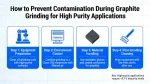
Here’s a practical, step-by-step guide to control dust and avoid contamination during small‑scale graphite grinding, focused on safety and purity.
1. Dust Control (the most critical part)
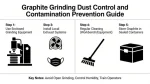
Fully closed grinding
Use a sealed spice grinder, small ball mill, or closed mortar. Keep the lid closed the entire time; let dust settle for 1–2 minutes before opening.
Wet grinding (best for zero dust)
Mix graphite with a small amount of water or ethanol before grinding. This traps dust completely.
Strong personal protection
Wear:
KN95/N95 mask
Safety goggles
Nitrile gloves
Long sleeves (to avoid dust on skin)
No dry sweeping or blowing
Clean surfaces only with wet wipes or damp cloths. Never brush or blow dust — this creates dangerous clouds.
Local ventilation
Work near a window with gentle airflowawayfrom your face, not toward you.
2. Contamination Prevention
Dedicate tools only to graphite
Do NOT use the same equipment for food, spices, or other minerals.
Use clean, hard materials
Choose ceramic, stainless steel, or agate tools.
Avoid wood, soft plastic, or rusty metal — they shed fibers or particles.
Pre‑clean equipment deeply
Wipe the grinding chamber with alcohol or compressed air before starting to remove old residue.
Pre‑treat raw graphite
Remove dirt, stones, metal fragments, or debris before grinding.
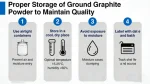
Seal immediately after grinding
Pour powder directly into a clean, sealed plastic or glass container to avoid airborne dust or dirt.